


There was a time when companies relied almost only on word-of-mouth marketing, but today printed materials still find a way to customers’ hearts. Did you know that well-designed brochures can increase potential buyers’ trust by up to 40%? And a question appears – how can you create a truly effective advertising material? To achieve the desired result, it is important to plan a brochure printing project carefully.
1. Define the Goal and Content
Before starting design work, it is worth clearly defining the main purpose of the brochure. Will it inform about a product range, educate, or inspire? The goal must be precise so the content is relevant and focused. It is useful to make a short outline with key points, including the most important facts and a call to action. This approach not only helps structure the information, but also serves as a safe base for successful project delivery.
2. Pay Attention to Design and Format
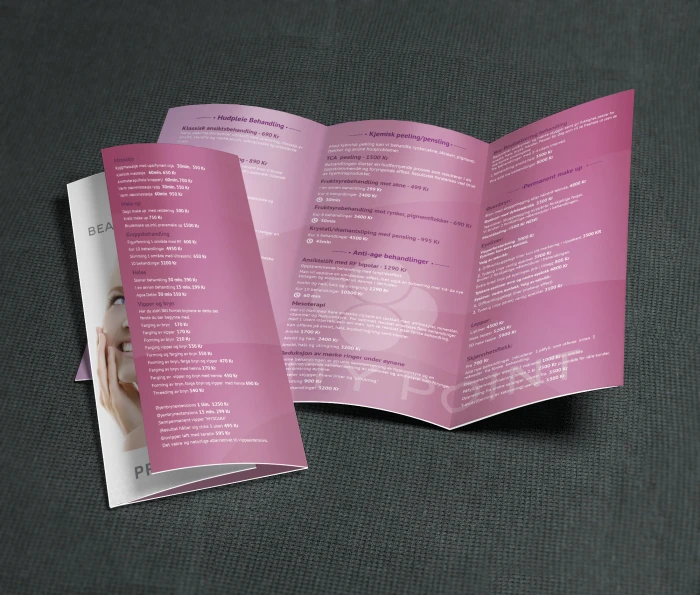
When the content is ready, you should choose a design solution that matches the brand identity and attracts the reader’s eye. “The simpler, the better,” print professionals often say. A clean and harmonious layout builds trust and makes the information easier to understand. It is also important to choose the right format so the brochure is easy to store and hand out. For example, a tri-fold or a simple folded brochure is often compact enough while still including all essential content.
A well-prepared information material and a visually attractive design can be truly effective. Such brochure printing can create a first impression that increases customers’ interest in the offer. Even small improvements, like a clear call to action, help attract more attention and guide the audience toward a specific goal. Sometimes these small adjustments are exactly what makes a brochure a memorable communication tool.
3. Check Material and Color Consistency
For a brochure to look professional, you should pay attention to paper quality and to the chosen colors. For example, glossy paper can create a bright and eye-catching effect, while a matte option gives a solid and refined mood. When choosing tones, it is recommended to follow the brand’s color palette and market trends so you keep visual consistency. Sometimes a strong contrast between colors draws attention, but too many tones can feel overloaded.
“Let color speak for itself” is a phrase that reminds us of an important truth about printed materials – harmonious matching creates a unique impression. Using high-quality inks improves the overall brochure look and highlights key details. If brochure printing is planned in a larger print run, it is always recommended to contact the printing house and test samples to guarantee the right result. This check helps avoid unpleasant surprises and unnecessary spending.
4. Pay Attention to Text and Image Quality
No one wants to receive a material with typos or grainy visual elements. That is why it is worth checking spelling twice and making sure images have at least 300 dpi resolution. Good image quality attracts attention and builds trust in the information offered. It is useful to use reliable sources and avoid licensing issues by respecting copyright rules. Well-prepared text and high-quality visuals work together to create one consistent, positive impression about the brochure content.
5. Plan the Timeline and Track Costs
Before the final approval of the brochure, it is recommended to create a clear schedule to avoid rush and extra expenses. The larger the print run and the more complex the design, the more time production and finishing may require. A tender organizer or another project customer usually has fixed deadlines, so you should agree with the printing house early about delivery dates. To avoid mistakes, a technical plan is useful – it records each process step, from design preparation to printing and packaging.
It is best to calculate approximate costs using at least two sources, to confirm the price is fair and to find the best offer. “A seller once said: ‘A brochure prepared on time can cut my salon advertising costs by half.’” Such stories show that careful planning pays off for anyone who wants specific marketing results. If time and budget resources do not match the goals, it may be necessary to optimize the printing strategy or even change the brochure format.
High-quality brochure printing solves many tasks at once: it shows professionalism, attracts attention, and increases sales potential. The next step is simple – implement the concept in practice. Do you want to turn audience interest into real business results? A well-prepared brochure, a thoughtful color palette, and correctly chosen materials help highlight brand values and build trust. Even the smallest details can bring strong returns when everything is checked carefully. Almost any idea can become a bright advertising object by combining innovative design with a well-planned production process. Now is the right time to take a step and stand out from competitors effectively!